
Understanding Chikungunya Fever: Causes, Symptoms, and Treatments - Dr. Yeung Ho Hong(楊浩康)
Introduction
Chikungunya fever is a mosquito-borne infectious disease caused by the chikungunya virus (CHIKV). This virus is primarily transmitted by the Aedes albopictus (Asian tiger mosquito) and Aedes aegypti (yellow fever mosquito), and it is especially prevalent in tropical and subtropical regions. The symptoms of chikungunya fever resemble those of dengue fever and other mosquito-borne diseases, but its characteristic joint pain sets it apart. This article will explore the causes, symptoms, transmission routes, treatment methods, and preventive measures related to chikungunya fever.
NIAID, CC BY 2.0, via Wikimedia Commons
.jpg)
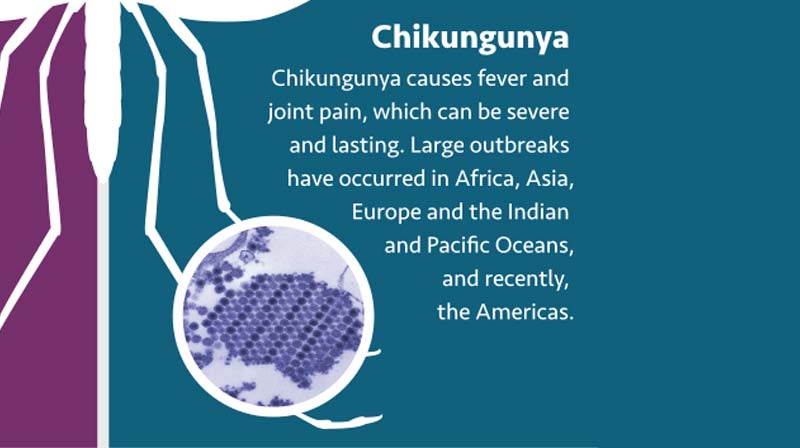
Causes and Symptoms
Chikungunya fever is caused by infection with the chikungunya virus, which belongs to the alphavirus family. After infection, patients typically exhibit symptoms within 2 to 12 days. The most common symptoms include:
- *High Fever*: Usually above 38.5°C, accompanied by chills.
- *Joint Pain*: This is a hallmark symptom of chikungunya fever and may persist for weeks or months, sometimes leading to chronic arthritis.
- *Muscle Pain*: Muscle aches and general fatigue are also common.
- *Rash*: Some patients may develop a skin rash, typically appearing a few days after onset.
In addition to these primary symptoms, some patients may experience headaches, red eyes, and other discomforts.
Transmission Routes
The transmission of chikungunya fever primarily relies on mosquito bites. When a mosquito bites an infected person, it can then transmit the virus to a healthy individual. Additionally, chikungunya virus can be transmitted from mother to child, although this is relatively rare. With global climate change and rapid urbanization, the geographic range and prevalence of chikungunya fever have increased.
Treatment Methods
Currently, there are no specific antiviral drugs or vaccines for chikungunya fever. Treatment mainly focuses on alleviating symptoms. Doctors typically recommend:
- *Rest*: Adequate rest helps the body recover.
- *Pain Relievers*: Medications like acetaminophen (Tylenol) or ibuprofen can be used to relieve pain and reduce fever.
- *Fluid Intake*: Staying hydrated helps minimize the risk of dehydration.
Preventive Measures
The best way to prevent chikungunya fever is to avoid mosquito bites. Effective preventive measures include:
- *Using Insect Repellent*: Apply repellents containing DEET, picaridin, or oil of lemon eucalyptus on exposed skin.
- *Wearing Appropriate Clothing*: Choose long-sleeved shirts and long pants, and opt for light-colored clothing, as dark colors tend to attract mosquitoes.
- *Eliminating Mosquito Breeding Sites*: Remove standing water and trim vegetation to reduce mosquito breeding environments.
- *Installing Mosquito Nets*: Use mosquito nets while sleeping, especially in areas where mosquitoes are active.
Conclusion
Chikungunya fever is a viral disease transmitted by mosquitoes. While most patients recover within a few weeks, some may suffer from long-term joint pain. With the increasing risk of transmission due to global climate change, enhancing public health awareness and mosquito control measures is crucial. By raising awareness and implementing preventive measures, the incidence of chikungunya fever can be effectively reduced, protecting community health.